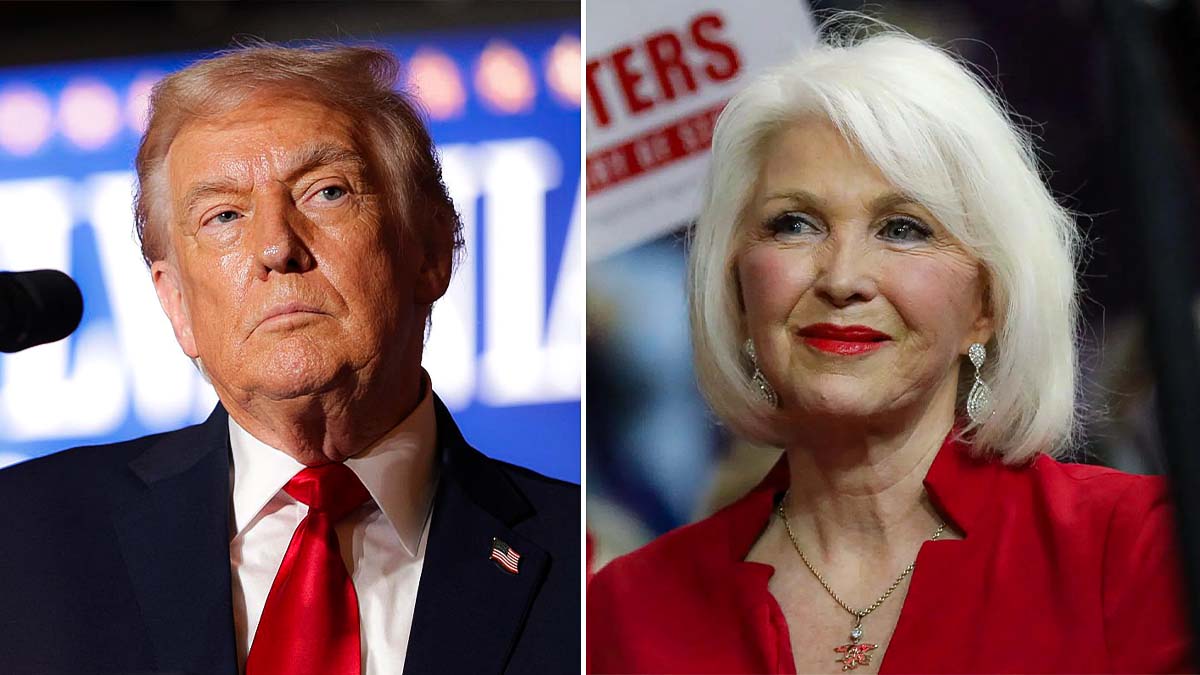
President Donald Trump announced late Thursday that he is granting a full pardon to Tina Peters, the former Mesa County, Colorado, clerk who is currently serving a nine-year prison sentence for tampering with voting equipment in a bid to uncover alleged fraud in the 2020 presidential election.
Trump made the announcement via his Truth Social platform, declaring: “Democrats have been relentless in their targeting of TINA PETERS, a Patriot who simply wanted to make sure that our Elections were Fair and Honest. Tina is sitting in a Colorado prison for the ‘crime’ of demanding Honest Elections. Today I am granting Tina a full Pardon for her attempts to expose Voter Fraud in the Rigged 2020 Presidential Election!”
The post quickly went viral, amassing millions of views and sparking celebrations among Trump’s supporters, who have long viewed Peters as a political prisoner and whistleblower. Hashtags like #FreeTinaPeters and #ElectionIntegrity trended nationwide on X (formerly Twitter), with prominent figures such as Rep. Lauren Boebert and conservative podcasters hailing the decision as a victory against what they call a “weaponized justice system.”
However, legal experts and Colorado officials were quick to point out a critical limitation: Peters was convicted on state-level charges, and presidential pardon powers under the U.S. Constitution apply only to federal offenses. This makes Trump’s pardon largely symbolic, with no immediate legal effect on her incarceration or conviction.
Tina Peters, a 70-year-old Gold Star mother and former Republican county clerk, rose to national prominence among election skeptics after the 2020 election. In 2021, she allowed unauthorized individuals—affiliated with MyPillow CEO Mike Lindell and other prominent election deniers—to access and image Mesa County’s Dominion voting machines. Peters claimed she was preserving evidence of potential irregularities to ensure election transparency.
Prosecutors argued that her actions constituted a serious breach of election security protocols. In October 2024, a Colorado jury convicted her on seven of ten charges, including four felonies related to tampering and deception. She was sentenced to nine years in prison, beginning her term earlier this year at the La Vista Correctional Facility in Pueblo.
Peters has maintained her innocence, describing herself as a victim of political persecution. Her supporters, including Trump, have repeatedly called for her release, citing her age, health concerns (she is a cancer survivor), and allegations of harsh treatment in prison.
While Trump signed a formal pardon document—shared by Peters’ attorney Peter Ticktin and dated December 5, 2025—the consensus among constitutional scholars is that it holds no power over state convictions. The president’s pardon authority, outlined in Article II of the Constitution, is limited to “Offences against the United States.”
Colorado Democratic officials swiftly rejected the pardon’s validity:
- Secretary of State Jena Griswold stated: “Tina Peters was convicted by a jury of her peers for state crimes in a state court. Trump has no constitutional authority to pardon her.”
- Governor Jared Polis emphasized: “No President has jurisdiction over state law nor the power to pardon a person for state convictions.”
- Attorney General Phil Weiser called it “an outrageous departure from what our constitution requires” with “no precedent in American law.”
Peters’ legal team, however, is pushing a novel argument that the pardon could apply, potentially forcing the issue into federal courts and even the Supreme Court. Ticktin has indicated plans to seek her immediate release pending resolution, arguing the pardon moots her ongoing state appeal.
No official White House pardon listing for Peters has appeared yet on government sites, and Colorado prison authorities have confirmed she remains incarcerated as of this morning.
This pardon marks another bold step in Trump’s second term to address grievances from his 2020 election loss, following his mass clemency for most January 6 defendants earlier this year. It underscores his ongoing narrative that the 2020 election was marred by fraud—a claim repeatedly debunked by courts, election officials, and his own former Attorney General William Barr.
Supporters see it as justice for a “hero” persecuted for questioning election integrity. Critics warn it undermines the rule of law and federalism, potentially encouraging challenges to state authority.
As the story develops, eyes are on whether Colorado will take any action or if federal litigation will emerge. Peters’ team has hinted at a press conference soon, and Trump allies are calling for more pardons related to election probes.
This symbolic act has reignited national conversations about election security, presidential power, and political accountability—just weeks before the holiday season.